Recent Roof Inspection Projects in Walnut Creek
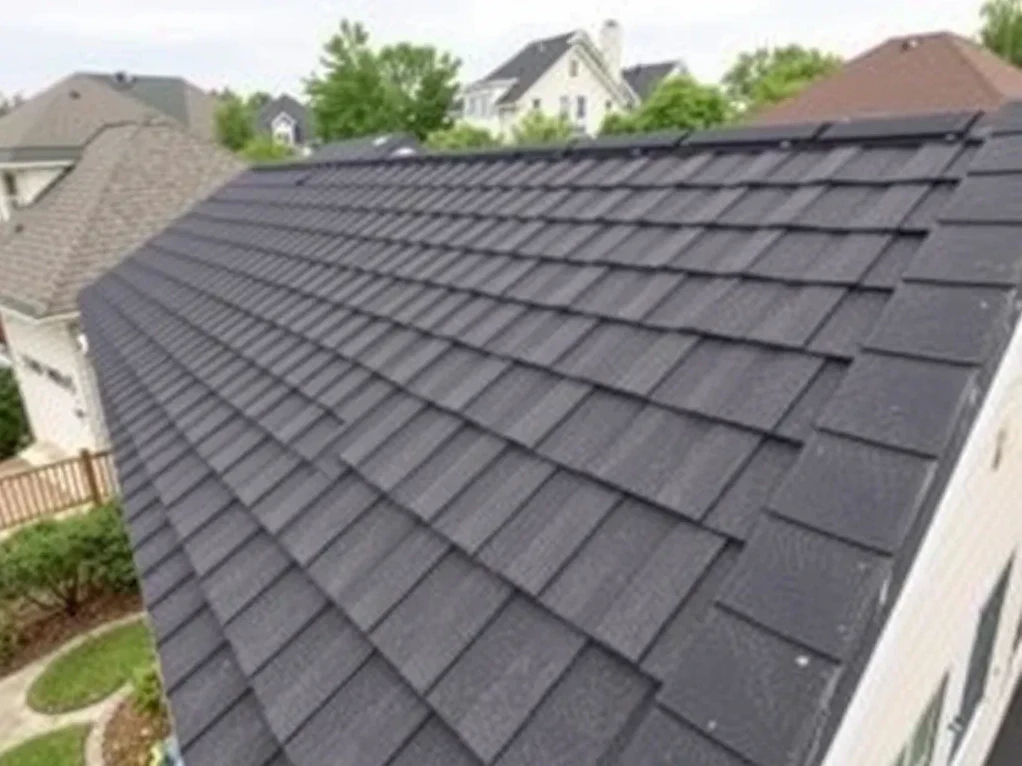
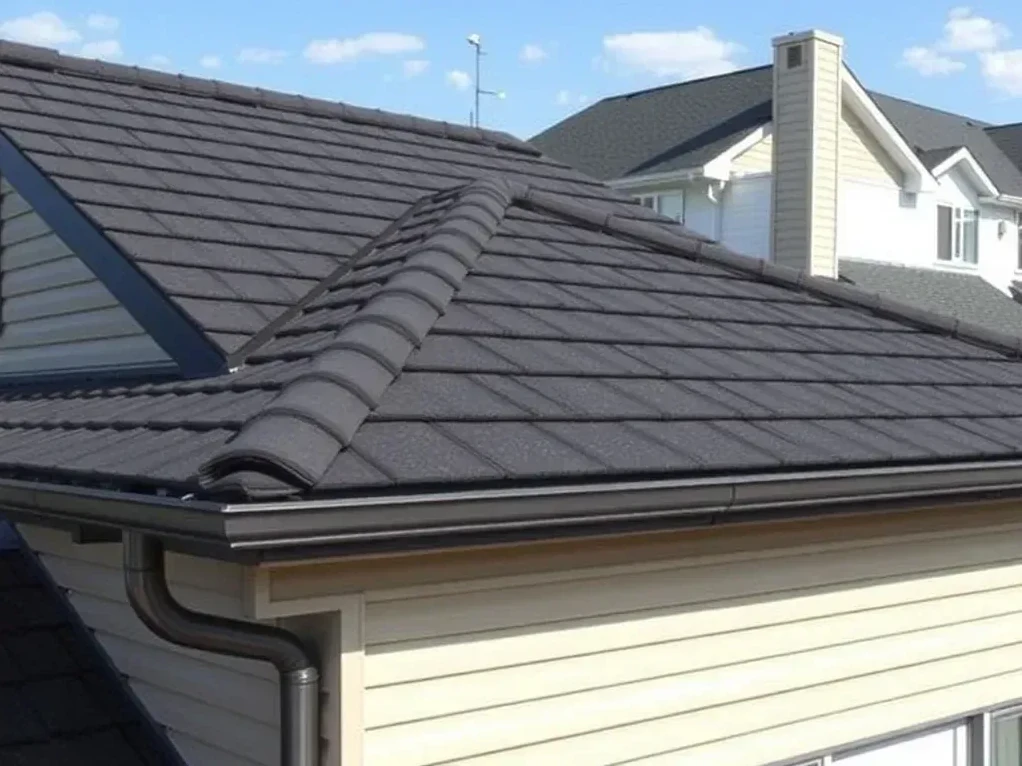
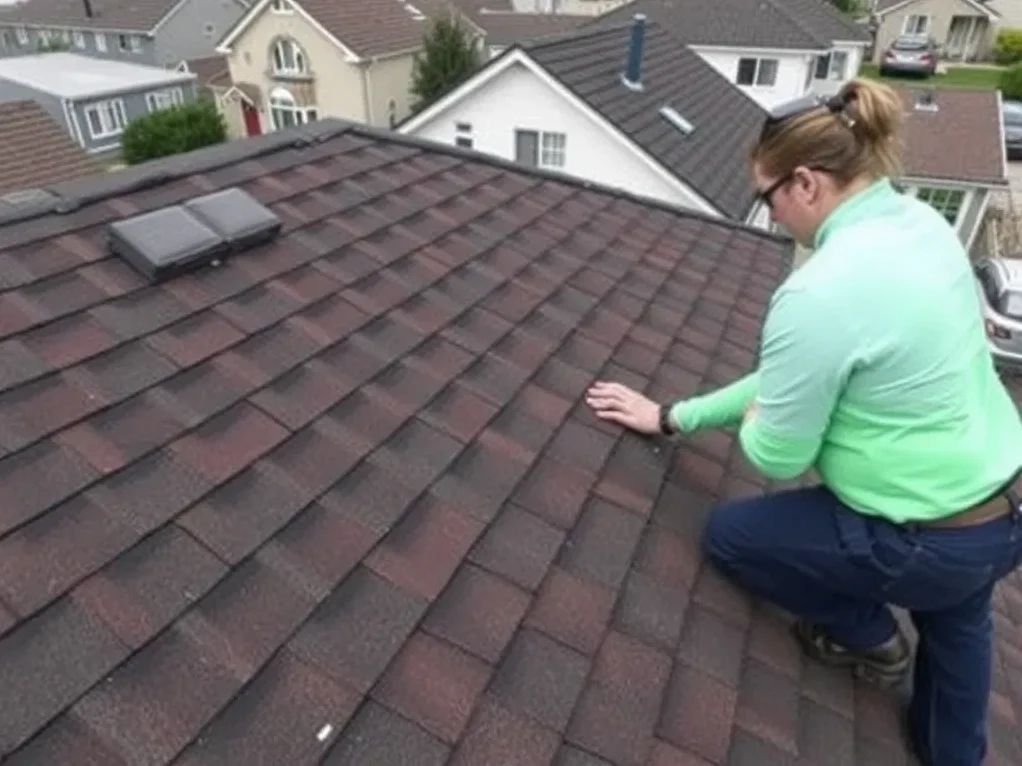
Real work, real roofs — a sample of completed jobs
Walnut Creek Roofers inspects your roof before the next storm picks the date for you — call 9255031377. We walk the shingles, flashing, underlayment, and attic ventilation, fly drone imagery over steep pitches, and hand you a written report with photos you can use for a claim, a sale, or a repair decision. After a dry summer and one hail event, the damage that matters rarely shows itself from the driveway.
Most roof inspections fail at the attic. We check the underside of the sheathing with a moisture meter and an infrared scan, because mid-century modern homes from the 1950s and 1960s hide rot behind finished ceilings.
Findings change with what's overhead: three-tab and architectural asphalt shingles, cedar shake and wood shake, slate, clay or concrete tile, standing-seam and corrugated metal panels, and low-slope TPO, EPDM, PVC membrane, or built-up roof systems each fail differently.
Hot, dry summers and strong afternoon winds flake sealant and lift tabs along the rake; winter storm systems then seep under the flashing and wick into the deck. That cycle drives most of the roof estimate numbers we write.
We're a licensed and insured Walnut Creek roofing contractor, and we'd rather hand you photos of what's wrong than a contract.
Certified installers and a meticulous process from inspection to cleanup.
Top-tier products backed by manufacturer and workmanship warranties.
Built to withstand Walnut Creek's climate for decades of protection.
We run roof inspections around Walnut Creek, from Downtown and Heather Farm out to Rossmoor, Castle Rock, and Green Valley, with the Lime Ridge and Shell Ridge open space just upwind and Mount Diablo setting our afternoon wind pattern.
Real work, real roofs — a sample of completed jobs